

The most valuable Forex education focuses on developing actionable skills and deep market understanding, not just theoretical knowledge. Look for resources that emphasize practical application, risk management, and analytical tools, which are crucial for sustainable success in the markets.
Beyond Basic Concepts: What Real Forex Education Offers
Many aspiring traders start with the idea that Forex education is about memorizing currency pairs or understanding basic economic indicators. While these are foundational, truly effective Forex education goes much deeper. It's about building a robust decision-making process grounded in risk awareness and analytical proficiency. Think of it as learning to navigate a complex, ever-changing landscape rather than just memorizing a map. A professional trading educator will guide you through the nuances of market psychology, pattern recognition, and the disciplined application of trading strategies. This means understanding why a particular trade setup is occurring, what risks are associated with it, and how to manage those risks effectively if the market moves against your position. Resources that offer live market analysis, case studies of actual trades, and interactive learning modules provide a far richer experience than static textbook material.
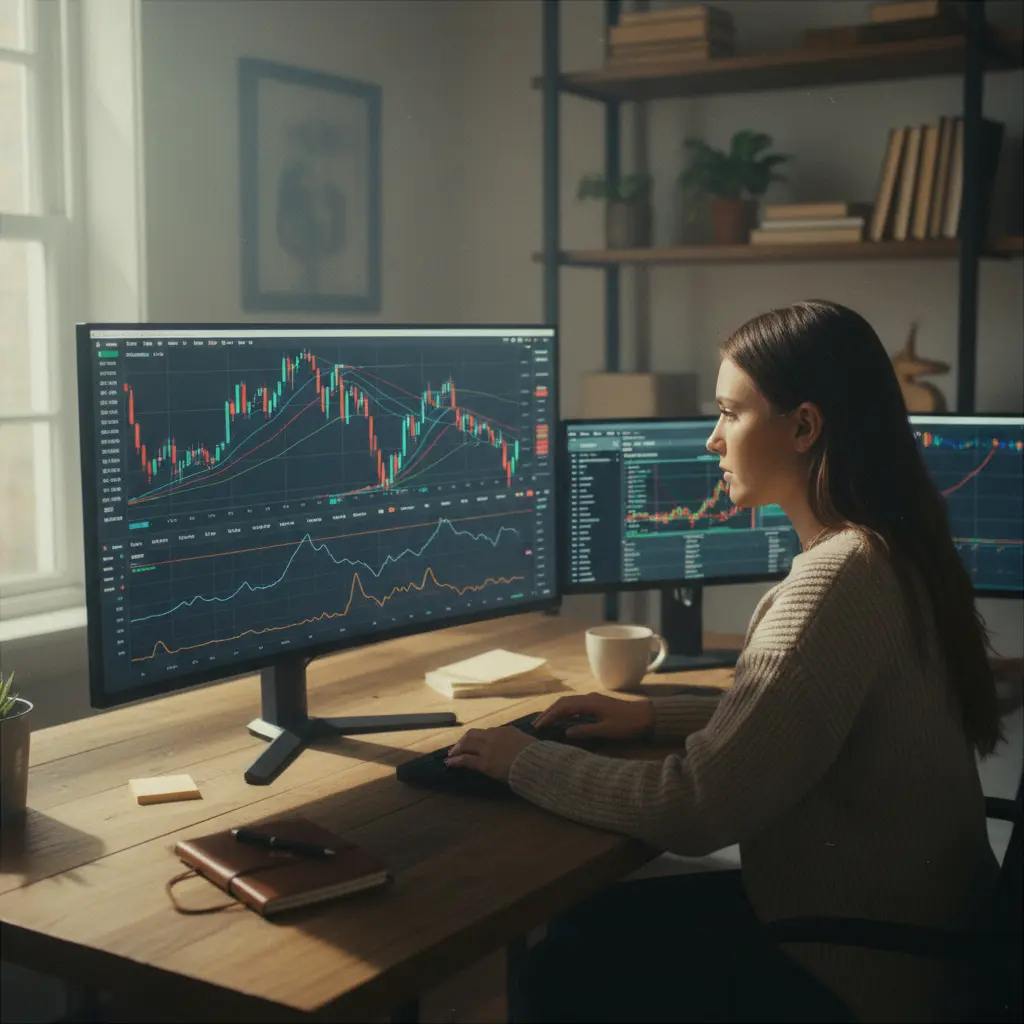
For instance, a good course wouldn't just tell you what a support level is; it would explain how to identify dynamic support levels, how to watch for price action confirmation at these levels, and importantly, where to place your stop-loss order if price breaks through. This practical application is what separates profitable traders from those who struggle. The best educational providers will also integrate topics like the use of a trading journal to review performance and identify patterns in your own trading behavior, as well as portfolio management to ensure you're not over-exposed in any single market.
Key Components of Skill-Building Forex Education
When evaluating Forex education programs or resources, prioritize those that cover a comprehensive set of skills. This includes rigorous technical analysis training, which moves beyond simple indicator settings to understanding how multiple indicators can work in concert and how to interpret price action effectively. Fundamental analysis is also critical; this involves understanding how economic news releases, central bank policies, and geopolitical events influence currency movements. However, the education should teach you how to interpret these events in the context of market sentiment and price action, not just report the news.
A crucial, often underdeveloped, area in many programs is risk management. This isn't just about setting stop-losses. It encompasses position sizing based on account risk, understanding leverage's double-edged nature, and developing a risk-reward ratio that makes trading sustainable over time. Without a strong risk management foundation, even the best trading strategies are likely to fail due to catastrophic losses.
Here's a breakdown of essential components:
- Technical Analysis Mastery: Chart patterns, candlestick analysis, indicator interpretation (e.g., RSI, MACD, moving averages) in practical trading contexts.
- Fundamental Analysis Application: Understanding economic calendars, central bank statements, and how to gauge their market impact.
- Risk Management Protocols: Position sizing, stop-loss placement, leverage control, and calculating risk-reward ratios.
- Trading Psychology: Discipline, emotional control, patience, and overcoming common biases like fear and greed.
- Trade Execution & Planning: Developing a clear trading plan, setting entry and exit criteria, and adhering to it.
- Journaling and Performance Review: Documenting trades, analyzing outcomes, and refining strategies based on personal performance.
These elements combined equip a trader with the necessary tools not just to survive but to thrive in the volatile Forex market. You'll find that platforms offering these integrated aspects are generally more reputable.
Where to Find Quality Forex Education
The landscape of Forex education is vast, ranging from free online content to expensive proprietary courses. The key is discernment. Reputable sources often have a track record of helping traders develop consistent performance, not just selling them on get-rich-quick promises.
Specialized Financial Education Platforms: Websites like PipsAlerts itself offer a wealth of practical information. Look for resources that provide in-depth guides on specific trading strategies, risk management techniques, and portfolio analysis. These platforms often distinguish themselves by focusing on actionable insights derived from real market experience. For example, a guide on understanding stop-loss orders would detail how to calculate appropriate levels based on volatility and account size, rather than just defining what a stop-loss is.
Experienced Trader Blogs and Communities: While vetting is essential, many experienced traders share valuable insights through blogs, forums, and social media. Look for individuals who demonstrate a consistent approach to trading, emphasize risk management, and are transparent about their performance and methods. Be wary of those who only show winning trades or make unrealistic income claims.
Online Course Providers with Proven Curricula: Several well-regarded online educators offer structured courses. When selecting one, check for curriculum details that align with the skill-building components mentioned earlier. Look for student testimonials that speak to practical skill acquisition and consistency, not just anecdotal success stories. A provider that offers a strong module on risk management alongside trading strategies is a good sign.
Broker-Provided Educational Content: Some Forex brokers offer educational materials. While these can be a starting point, they may sometimes be biased towards their own trading platforms or products. Always cross-reference information from broker resources with independent sources.
Practical Application Tools: Resources that integrate tools like a trading journal or portfolio analysis software are invaluable. They help you apply what you learn immediately and track your progress objectively.
Evaluating Forex Education Providers: Red Flags and Green Flags
Navigating the Forex education market requires a critical eye. Many providers promise rapid wealth, which is a significant red flag. True skill development takes time, discipline, and consistent effort. Green flags include transparency about trading strategies, a strong emphasis on risk management, and educational content that focuses on teaching you how to analyze markets and manage trades, not just providing signals or alerts.
Red Flags to Watch For
One of the biggest warning signs is the promise of consistent results or unrealistic returns. No legitimate Forex educator can guarantee profits because markets are inherently uncertain. Another is a lack of transparency regarding the educator's own trading performance or methodology. If a provider relies heavily on complex jargon without clear explanations, or pushes high-risk trading strategies without adequate warnings about potential losses, that's also concerning. Over-reliance on 'black box' systems that claim to work without explaining the underlying principles is another sign to be cautious about. Finally, aggressive sales tactics or pressure to sign up immediately for a limited-time offer should raise suspicions.
Green Flags Indicating Quality Education
Conversely, quality Forex education will clearly outline a curriculum that covers technical and fundamental analysis, trading psychology, and robust risk management. Providers that offer free introductory content or webinars allowing you to sample their teaching style are excellent. Look for educators who encourage a disciplined approach, emphasize the importance of a trading plan, and teach you how to adapt to changing market conditions. Transparently discussing the risks involved in trading and demonstrating how to manage them is paramount. Finally, access to a community or forum where students can discuss trades and learn from each other, moderated by experienced traders, can be a significant plus. The availability of tools for portfolio analysis and trade journaling also signals a commitment to practical skill development.

Scenario: Choosing Your First Forex Education Path
Let's consider a few common scenarios aspiring traders face: Let's consider a few common scenarios aspiring traders face:
Scenario 1: The Newcomer with Limited Budget
- Situation: You're completely new to Forex, have a small trading account, and a tight budget for education.
- Recommended Option: Start with free, high-quality educational articles and guides on reputable sites like PipsAlerts, focusing on core concepts like risk management, basic technical analysis (candlesticks, support/resistance), and the importance of a trading journal. Utilize demo accounts extensively.
- Alternative Option: Consider a low-cost, comprehensive introductory course from a well-vetted online educator that covers fundamentals and risk.
- What to Avoid: Paying for expensive 'signal services' or 'robot' systems promising quick riches.
- Explanation: Building a solid foundation with free resources and practical demo trading is the most risk-aware approach for beginners with limited funds.
Scenario 2: The Trader Struggling with Consistency
- Situation: You understand the basics but are experiencing inconsistent results, often making emotional trading decisions.
- Recommended Option: Invest in education that heavily emphasizes trading psychology and discipline. A structured program with modules on emotional control, adherence to a trading plan, and detailed trade review through a trading journal would be ideal.
- Alternative Option: Work with a mentor who can provide personalized feedback on your trading psychology and decision-making process.
- What to Avoid: Continuously searching for a new 'holy grail' trading strategy without addressing your psychological weaknesses.
- Explanation: Inconsistency often stems from psychological factors rather than strategy deficiencies. Addressing this is key to profitability.
Scenario 3: The Trader Seeking Strategy Refinement
- Situation: You have a working trading strategy but want to improve its robustness and adapt it to different market conditions.
- Recommended Option: Seek advanced education focusing on confluence in technical analysis, adapting strategies to volatility, and integrating fundamental analysis for trade confirmation. Advanced risk management techniques for scaling in/out of trades are also beneficial.
- Alternative Option: Study detailed case studies of how experienced traders adapt their strategies during major market events like NFP releases or central bank rate hikes.
- What to Avoid: Overcomplicating your existing strategy with too many new indicators or losing sight of the core principles that made it work.
- Explanation: Refining a strategy involves understanding its limitations and how to best apply it, not necessarily replacing it entirely.
The Role of Tools in Skill Development
While education provides the knowledge, effective tools are essential for applying that knowledge and tracking progress. A well-maintained trading journal is perhaps the most critical tool for any serious Forex trader. It's not just a log of trades; it's a personal performance review document. By recording entries, exits, reasons for the trade, emotional state, and outcomes, you can identify your strengths, weaknesses, and recurring mistakes.
For example, a trader might notice through their journal that they consistently lose money on Friday afternoons, or that they tend to over-trade when they feel bored. This insight allows for targeted improvement. Tools for portfolio analysis are also vital. They help you understand your overall risk exposure across different currency pairs and timeframes, ensuring you're not over-leveraged or concentrated in one area of the market. Regularly reviewing your portfolio's performance helps you make informed decisions about capital allocation and risk adjustment.
These tools transform theoretical learning into practical, quantifiable progress. They enable you to see the direct impact of your education and discipline on your trading results.
| Feature | High-Quality Resource | Low-Quality Resource | Why It Matters |
|---|---|---|---|
| Focus | Skill development, risk management, market analysis | Signal generation, consistent results, quick riches | Sustainable trading requires skill, not just luck. |
| Transparency | Clear curriculum, educator's methodology explained | Vague promises, 'black box' systems | Understand what you're learning and why it should work. |
| Risk Management | Integral part of curriculum, detailed explanations | Mentioned briefly or ignored | Essential for survival in volatile markets. |
| Psychology | Dedicated modules or significant discussion | Largely absent | Emotional control is key to discipline. |
| Practical Application | Includes exercises, case studies, demo account guidance | Theoretical only, no practical exercises | Bridging the gap between knowledge and action. |
| Student Feedback | Testimonials focus on learning and improvement | Exaggerated success stories, focus on income | Real improvement is a better indicator than hype. |
| Tools Integration | Recommends or provides trading journals, analysis tools | Focuses solely on education content | Tools reinforce learning and track progress. |
| Pricing | Reasonable for value offered, transparent | Extremely high, with pressure tactics | Value for money and ethical sales practices. |
Conclusion: Invest in Your Trading Acumen
The pursuit of Forex education is a journey, not a destination. The best resources are those that empower you with analytical skills, a deep understanding of risk, and the psychological fortitude to navigate market volatility. By focusing on platforms and educators that prioritize practical application and skill-building, you lay the groundwork for consistent, risk-aware trading. Remember to continuously learn, adapt, and refine your approach, utilizing tools like trading journals and portfolio analysis to guide your development. Your commitment to acquiring genuine skill will be your greatest asset in the Forex markets.
Start with the cluster hub. Read risk management guides first if you want the broader workflow behind this topic.
Related reading: trading risk management | risk reward ratio